
Who can apply
CLS handles civil matters rather than criminal or traffic cases. Eligibility, case priorities and staff capacity affect the help offered.
What help is available
Assistance may include advice or representation for housing, public benefits, consumer or family issues. Some courthouses offer eviction clinics.
Documents to prepare
- Notices, summons and court papers, including all deadlines.
- Income and household information for intake.
- Relevant leases, benefit decisions, payment records or correspondence.
How to get started
Choose an intake method
Use Get Help to find the office serving your county, or start the linked online pre-application.
Complete the screening
A staff member must speak with you about eligibility and whether resources are available. State any hearing or response deadline immediately.
Ask about an eviction clinic
Check the listed courthouses and clinic schedule. Bring your summons and case documents; clinic assistance depends on eligibility and availability.
After applying
An online pre-application does not mean a lawyer has accepted your case. Keep court deadlines while waiting and ask what you should do next.
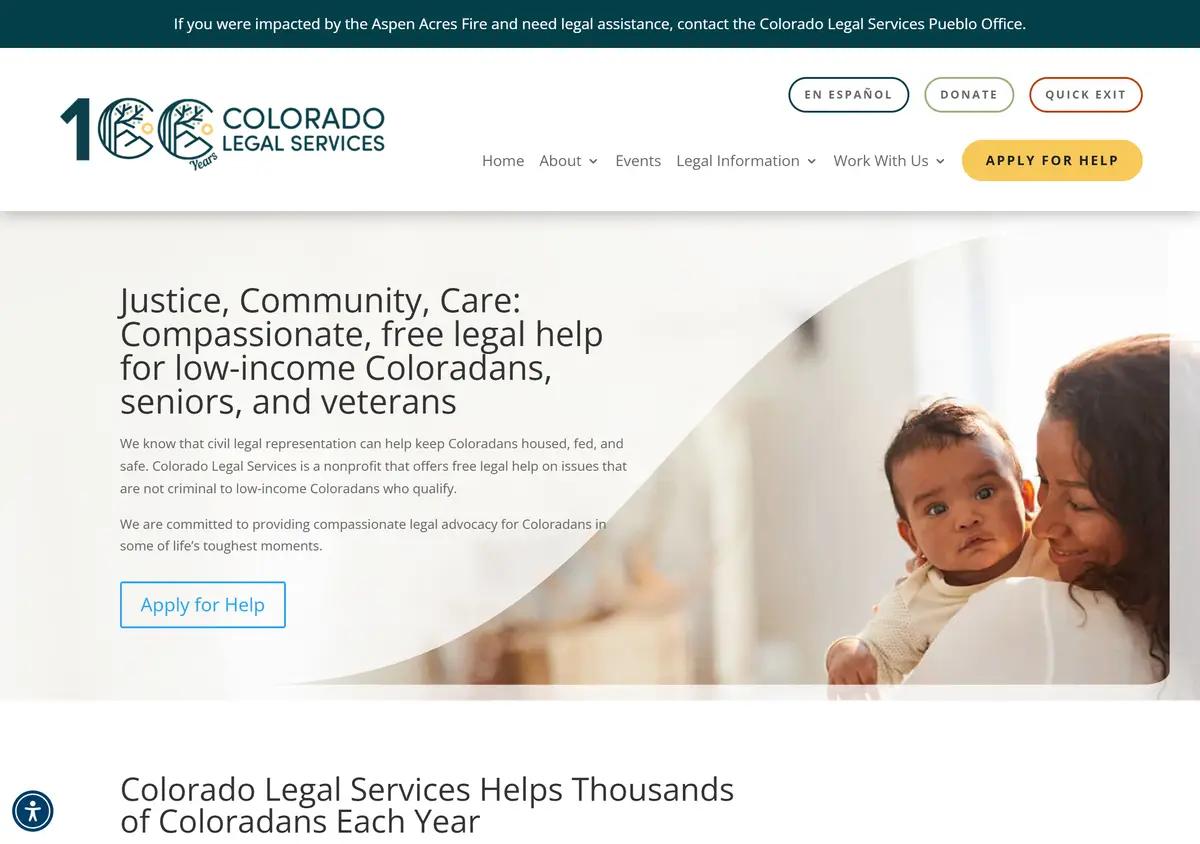
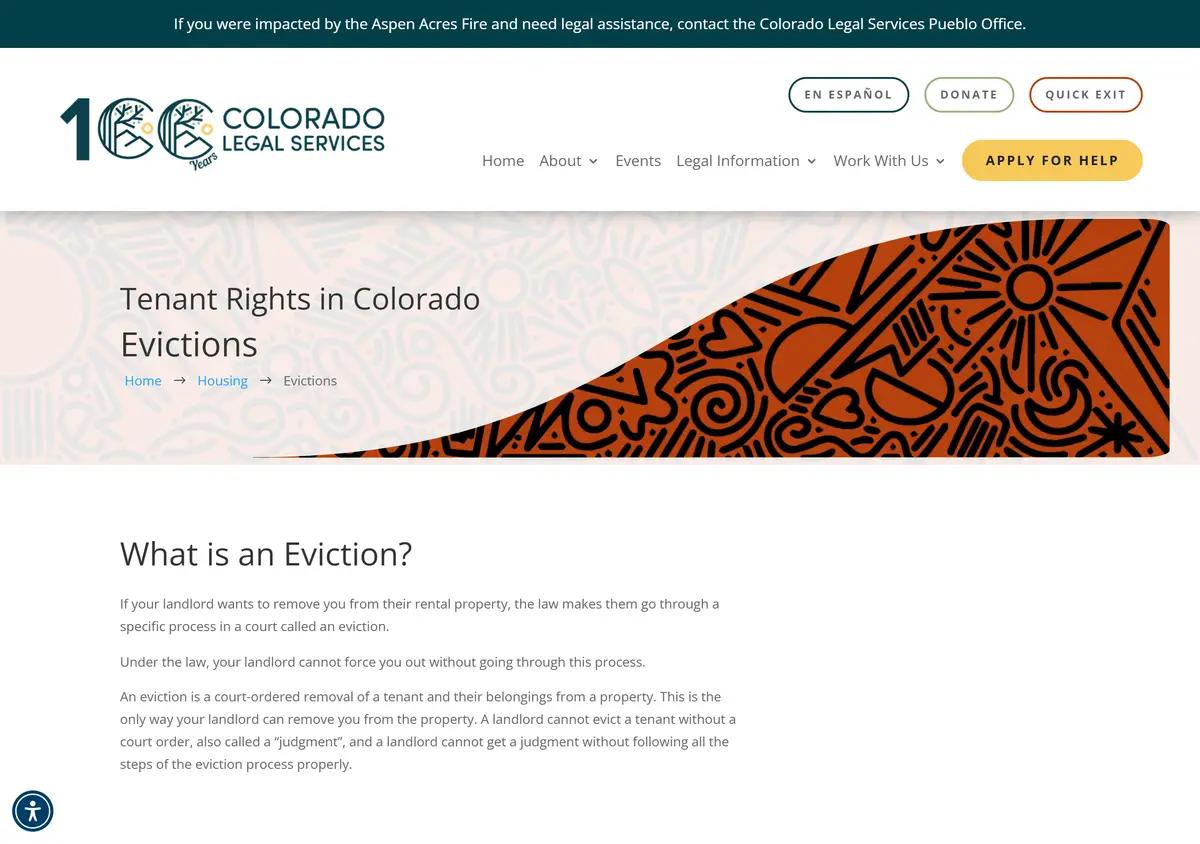
Website screenshots
These images show the pages captured in August 2026. Website screens and rules may have changed.
Common questions
Is this for criminal cases?
No. CLS describes its service as civil legal assistance, excluding criminal and traffic matters.
Is the online form the whole intake?
No. A staff member must follow up about eligibility and resources.
Can I attend any eviction clinic?
Check the location for the courthouse on your summons and the current schedule.
What if English is not my first language?
The Get Help page says staff can assist callers or visitors in their native language.
Sources and review
Content checked October 1, 2026 using CLS intake and offices; CLS mission. Current eligibility and the final decision remain with the program.
Historical screenshots: source reference.